Food should give us energy, right? Yet many people experience an afternoon crash even after a “healthy” lunch. So why does this happen? Let’s explore the biochemical, nutritional, and emotional factors that determine whether food fuels or fatigues you.
Digestion: More Than Just What You Eat
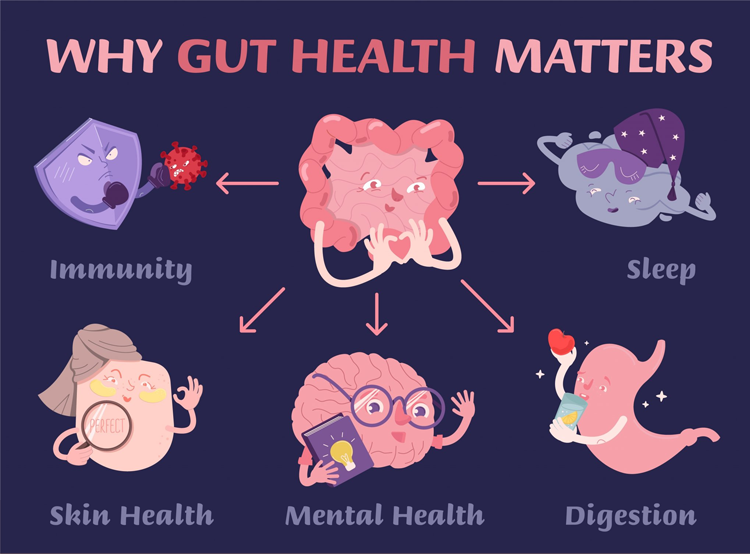
“You are what you eat” isn’t quite accurate. More truthfully, you are what you absorb and assimilate. Several key factors affect your digestion and energy:
Stress & Digestion – When the body is in a stressed state, digestion slows down.
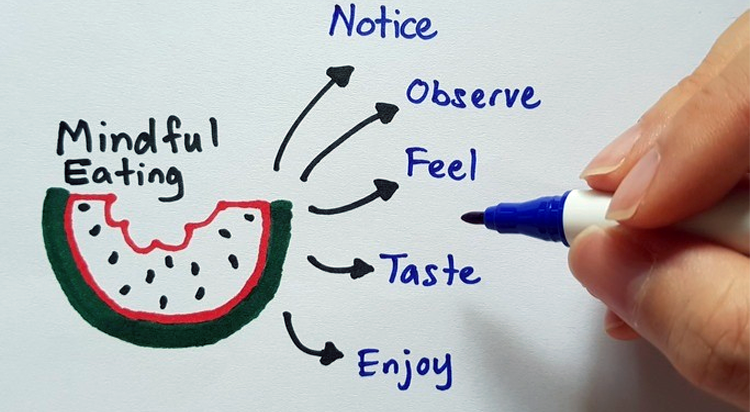
Poor Eating Habits – Eating too quickly or relying on caffeine can limit nutrient uptake.
Food Quality Matters – Whole foods give sustained energy. Processed foods lead to crashes.
Tip:Slow down, chew properly, and include fibre-rich whole foods in your meals.
Fats & Fatigue: The Key to Sustained Energy
Healthy fats slow glucose release, keeping energy levels stable. They also support immune function, brain health, and metabolism.
Best fats for energy:
Avocados
Coconut
Nuts & Seeds
Oily fish (salmon, sardines)
Grass-fed butter
Tip:Adding good fats to your lunch may help you feel more alert and satisfied, preventing the dreaded crash.
Blood Sugar & The Crash Effect
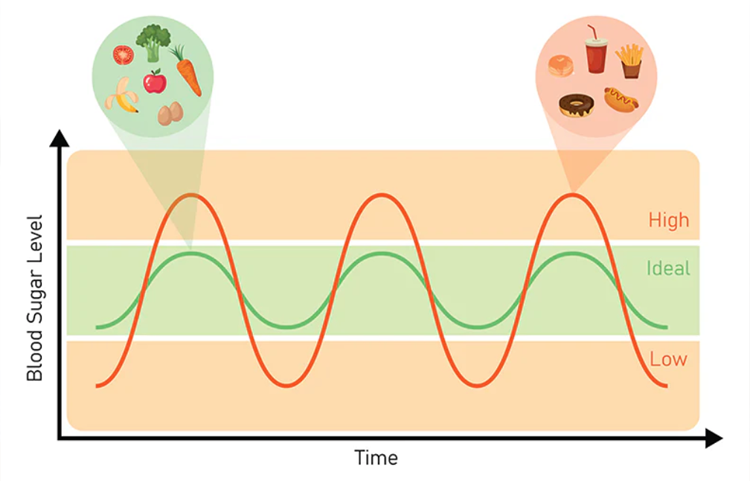
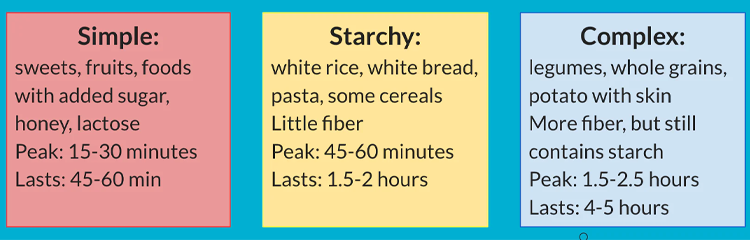
Refined carbs often cause a blood sugar spike, followed by a crash that leaves you tired.
Foods that may trigger a crash:
White bread, pasta, or pastries
Sugary drinks and snacks
Better choices for lasting energy:
Whole grains like oats and quinoa
Lean proteins such as eggs or legumes
Healthy fats from nuts or seeds
Tip:If you experience an energy dip after meals, check if your lunch is too high in refined carbs and low in protein or fats.
Carbohydrate Quality and Quantity is Important:
Blood Sugar Balance
Food Sensitivities Can Drain Your Energy
Food Sensitivities Can Drain Your Energy
Frequent fatigue might mean your body is reacting to something you eat.
Common triggers include:
Gluten
Dairy
Sugar
High-FODMAP foods (onions, garlic, beans)
Tip: Try an elimination diet or speak to a nutritionist to uncover food triggers.
Mindset & Meals: The Role of the Nervous System
Your stress levels affect how your body digests and absorbs nutrients.
Eating in a rushed state slows digestion.
Breathing deeply before meals helps shift to “rest and digest” mode.
Tip:Notice how different foods and environments affect your energy.
Final Thoughts: How to Avoid the Post-Lunch Slump
Choose whole, nutrient-dense foods
Add healthy fats and proteins for steady energy
Avoid processed, high-sugar meals
Eat mindfully and chew properly
Identify food sensitivities that might be draining your energy
Tip:Food is meant to fuel you! If your lunch makes you want to nap, take it as a sign that something needs adjusting. Listen to your body, and make small shifts for long-lasting energy!